
Using free printable non verbal communication cards can be a useful option for parents and educators looking to support children, especially those with communication challenges. These cards are a practical tool designed to facilitate expression without relying on verbal language. Whether your child is non-verbal, has speech delays, or simply finds it easier to communicate through images, these resources can make a significant difference.
What Are Non Verbal Communication Cards?
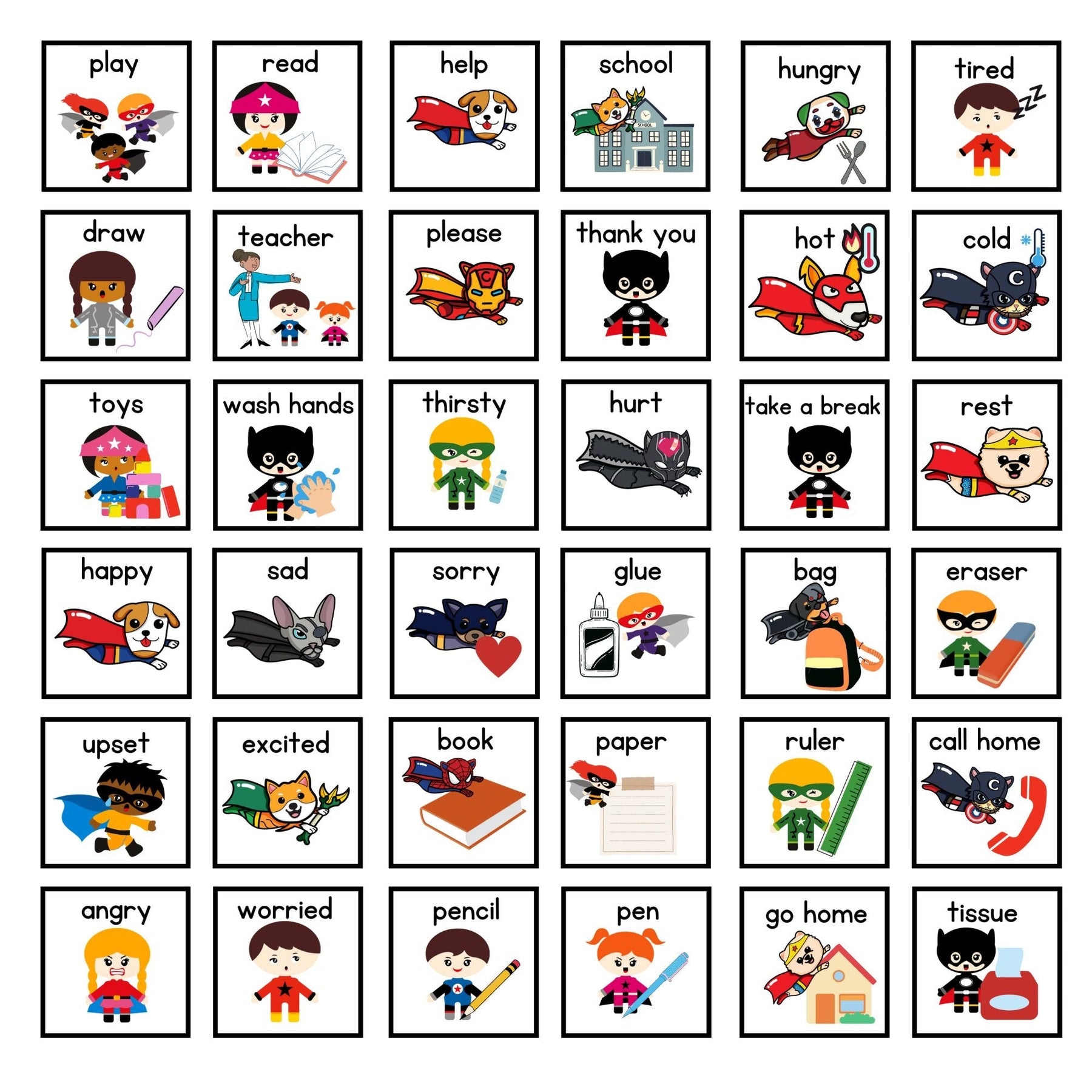
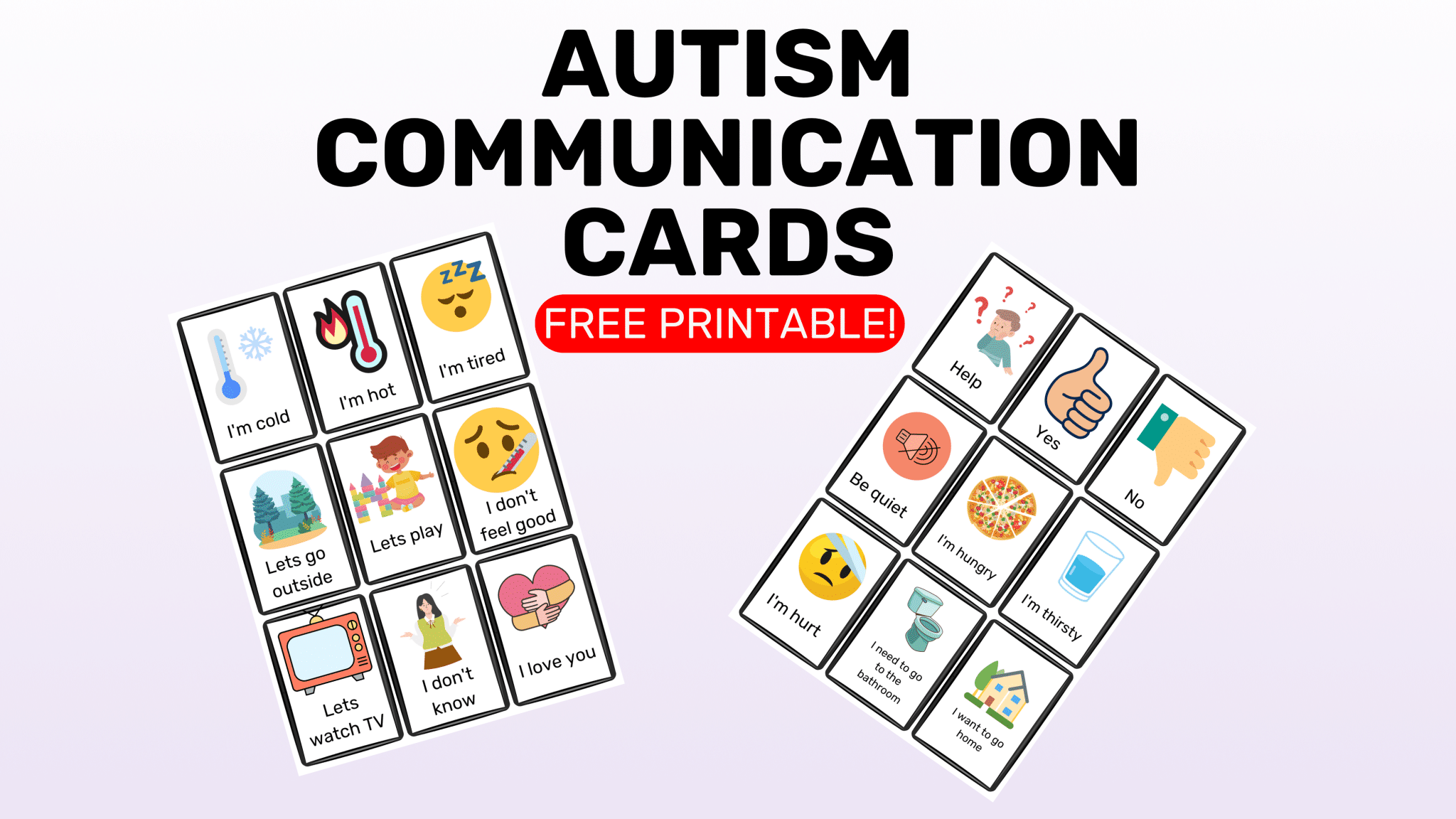
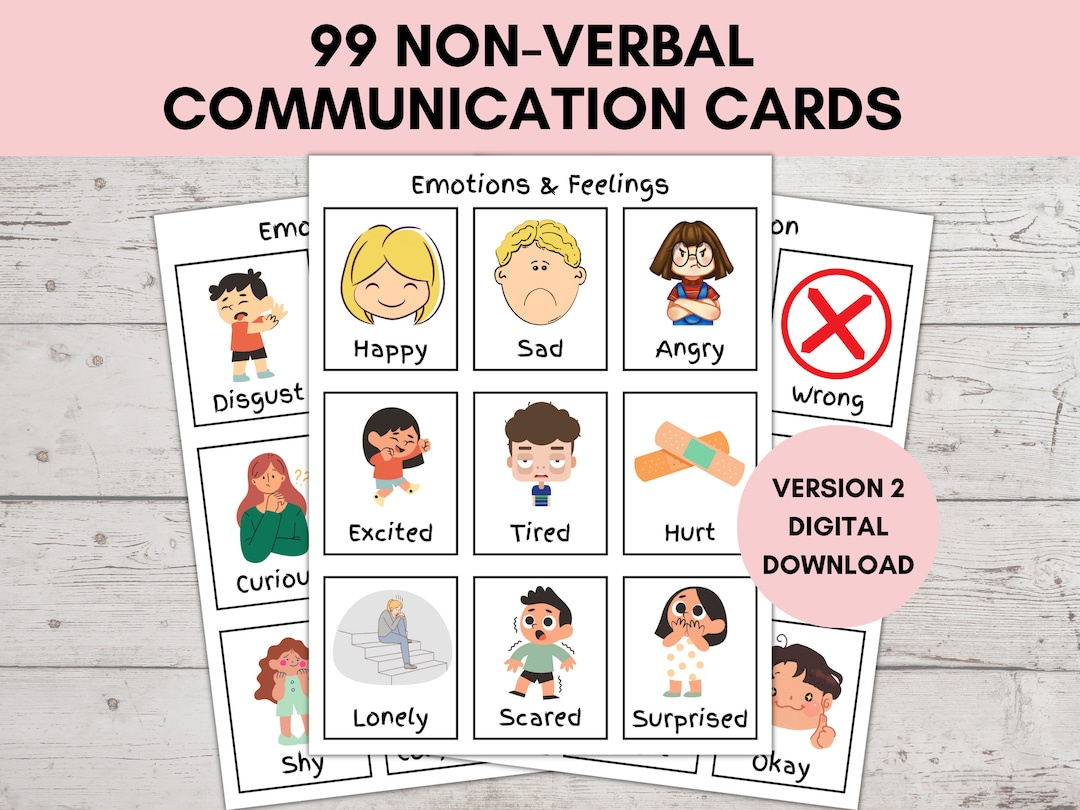
Non verbal communication cards are visual aids that depict various emotions, actions, or needs. They help children communicate their feelings or desires without speaking. Typically, these cards feature simple images or symbols that represent concepts like “happy,” “hungry,” “play,” or “tired.” By using these cards, children can point or show them to express themselves, enhancing their ability to interact with others.
Who Can Benefit From These Cards?
These cards are especially useful for:
- Children with Autism or Communication Disorders: Many children on the autism spectrum or with speech delays find it challenging to articulate their needs. Non verbal communication cards provide them with a means to express themselves effectively.
- Preschoolers and Early Learners: Young children often struggle to articulate their thoughts and feelings. These cards can help them communicate what they want or how they feel, facilitating better interactions.
- Parents and Caregivers: Parents can use these cards to better understand their child’s needs and emotions, fostering a supportive environment.
Best Ways to Use Non Verbal Communication Cards
To maximize the effectiveness of free printable non verbal communication cards, consider the following practical tips:
- Print on Cardstock: For durability, print the cards on cardstock rather than regular paper. This will help them withstand daily use and the wear and tear that comes with frequent handling.
- Laminating: If you want these cards to last even longer, consider laminating them. This will protect them from spills, tears, or other accidents, especially in a busy home or classroom.
- Organize by Theme: Group the cards by themes such as emotions, needs, or activities. This organization can make it easier for children to find the card they need quickly.
- Incorporate into Daily Routines: Use the cards during everyday situations. For instance, if it’s mealtime, have the food-related cards available so that your child can express their hunger or preference for certain foods.
- Encourage Interaction: Make it a fun activity! Encourage your child to use the cards to express themselves. You can also model using the cards, which can help them understand how to communicate effectively.
Where to Find Free Printable Non Verbal Communication Cards
You can find a variety of free printable non verbal communication cards online. Many educational websites and resources offer downloadable PDFs that you can easily print. When searching, look for sites that provide high-quality images and ensure that the cards are free to use. Some popular sources include:
- Educational websites that specialize in resources for children with special needs.
- Blogs and parenting sites that focus on communication strategies for kids.
- Teacher resource sites that offer printable resources for classroom use.
Before downloading, make sure to check the file format. PDFs are usually the best option, as they preserve the layout and quality of the images when printed.
Adapting the Cards for Individual Needs
One of the great benefits of free printable non verbal communication cards is their adaptability. You can customize them to suit your child’s specific needs or interests. Here are some ideas:
- Add Personal Images: If there are specific activities or emotions your child relates to, consider adding personalized images or symbols to the existing cards. This could include family members, favorite toys, or activities they enjoy.
- Create a Visual Schedule: Use the cards to create a visual schedule for your child. This can help them understand their daily routine and what to expect, which is particularly beneficial for children with anxiety or those who thrive on structure.
- Encourage Creativity: Involve your child in creating their own cards. This could be a fun art project where they draw or decorate cards that represent their feelings or needs.
By incorporating these strategies, you can help your child communicate more effectively and foster a greater understanding of their emotions and needs. Downloading and using free printable non verbal communication cards can be a simple yet powerful step towards enhancing your child’s communication skills.