
When you’re looking for free printable nets of 3D shapes, you’re in for a treat! These resources are perfect for teachers, parents, and anyone interested in hands-on learning experiences. Nets are flat representations of 3D shapes that can be easily cut out, folded, and assembled. They provide a practical way to understand geometry and spatial relationships, making them an excellent tool for various educational settings.
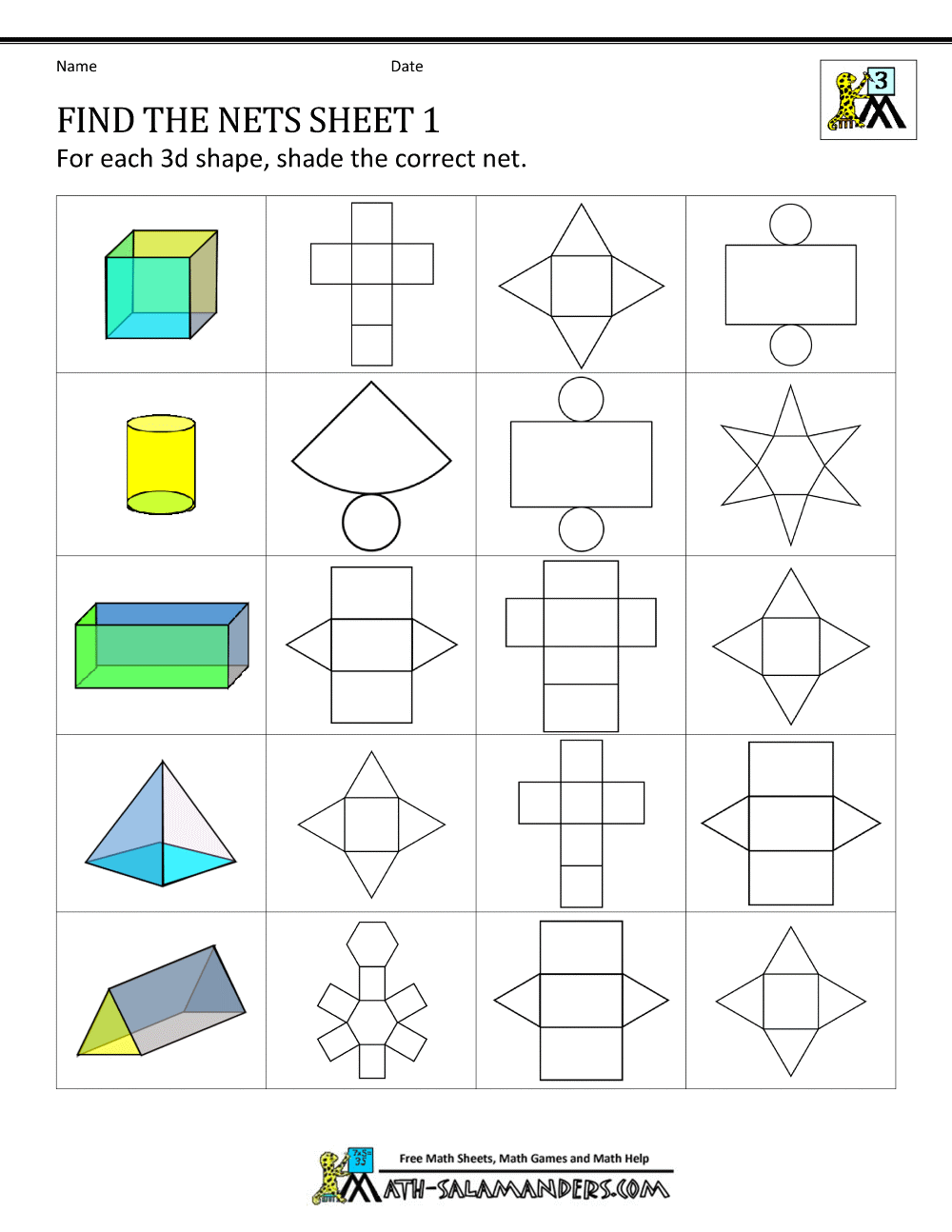
What Are Nets of 3D Shapes?
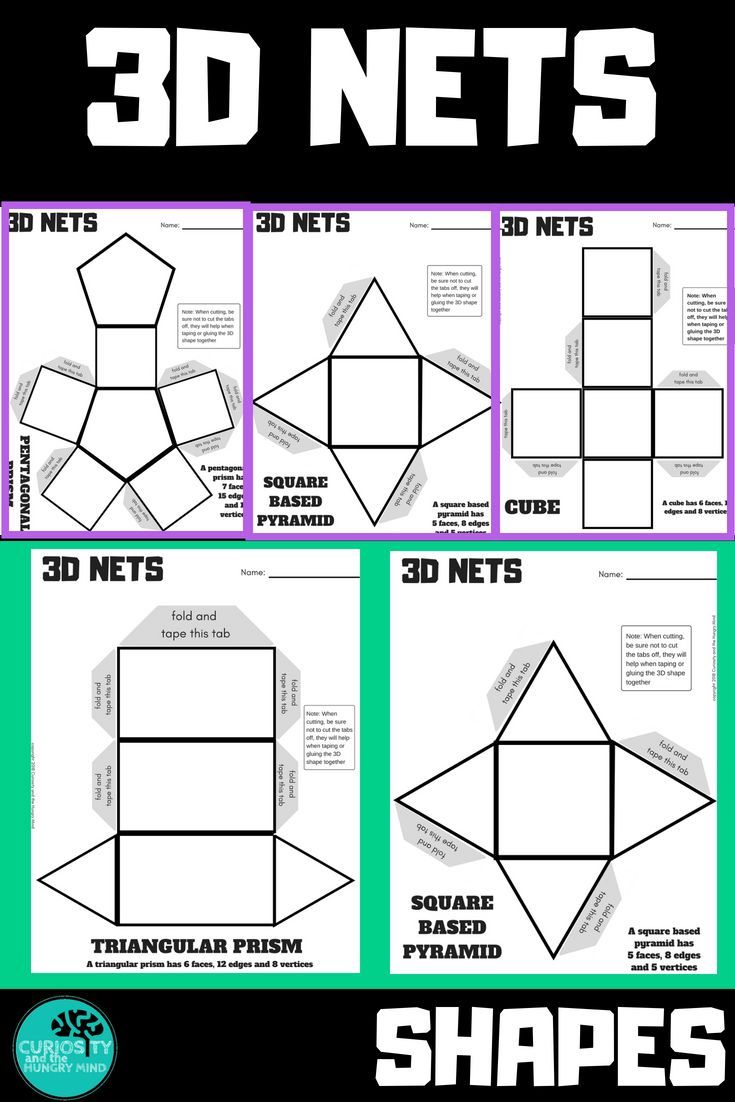
Nets are two-dimensional shapes that can be folded to form three-dimensional objects. Think of them as the blueprint for cubes, pyramids, cones, and more. When you print these nets, you can create actual models that help visualize how these shapes exist in the real world. This tactile experience is especially beneficial for visual learners, allowing them to grasp complex concepts more easily.
Who Can Benefit From Printable Nets?
- Teachers: Incorporating free printable nets of 3D shapes into your lesson plans can make geometry more engaging. Use them for hands-on activities in the classroom to reinforce lessons about shape properties, volume, and surface area.
- Parents: These nets are a wonderful way to support your child’s learning at home. They can be used for fun educational activities during weekends or holidays, turning learning into a game.
- Students: If you are studying for a geometry test or working on a project, these printable resources can help you better understand how 3D shapes function.
- Crafters and Hobbyists: If you enjoy creating models, these nets can be a fantastic source for your next project. Customize them with colors or patterns to make unique decorations or gifts.
How to Use Free Printable Nets of 3D Shapes
Using free printable nets of 3D shapes is straightforward:
- Download: Choose the nets you want from a reliable printable-resource website. Look for PDFs or image files for easy printing.
- Print: Use standard A4 or letter-sized paper for your prints. If you want more durable models, consider using cardstock. Adjust your printer settings for optimal quality, especially if you’re printing in color.
- Cut and Fold: Carefully cut out the shapes along the solid lines. Fold along the dashed lines to form the 3D shape. This step may require some practice, especially for more complex shapes.
- Assemble: Use glue or tape to secure the edges of the net together. Make sure to let the glue dry completely if you’re using it for assembly.
- Decorate: If desired, you can color or decorate the nets before assembling them, adding a personal touch to your models.
Types of 3D Shapes Available
Most printable resource sites offer a variety of nets for different 3D shapes. Here are some common types you might find:
- Cubes: A classic shape used in many educational contexts.
- Pyramids: Great for understanding triangular faces and apex.
- Cylinders: Useful for learning about curved surfaces.
- Cones: Ideal for exploring circular bases and pointed tops.
- Prisms: These can be rectangular, triangular, or hexagonal, providing a range of geometry lessons.
By using these different shapes, you can cater to various learning objectives and age groups.
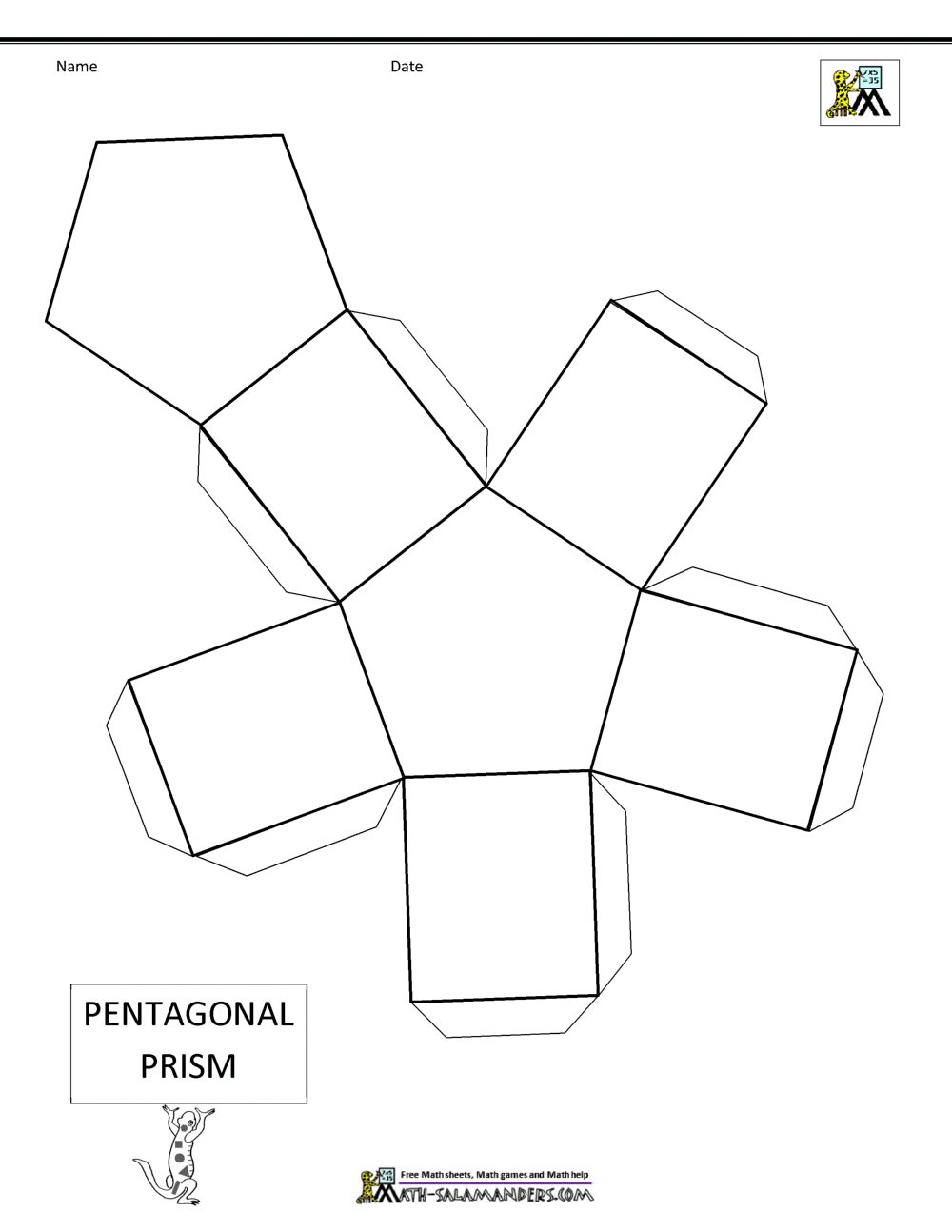
Tips for Maximizing the Use of Printable Nets
- Integrate with Lessons: Pair the use of nets with lessons on volume and surface area. After constructing the shapes, measure them to reinforce mathematical concepts.
- Group Activities: Organize group activities where students can work together to create models, fostering collaboration and communication.
- Use as Assessment Tools: After lessons, have students create nets as a form of assessment. This can help evaluate their understanding of 3D shapes.
- Adapt for Different Ages: For younger children, start with simpler shapes, and as they progress, introduce more complex nets.
- Explore Online Resources: Many sites offer additional materials, such as instructional videos or worksheets, that can complement the use of printable nets.
Once you’ve printed and assembled your free printable nets of 3D shapes, you’ll have a fantastic resource at your fingertips for both fun and educational purposes. Whether for classroom use, home learning, or personal projects, these nets provide a hands-on approach to understanding geometry in a way that textbooks simply can’t match. So grab your scissors and glue, and start exploring the world of 3D shapes!